

Where the Rubber Meets the Road: Why 1 Inch Changes Everything
You’ve picked your power. You know you want the 2000W Dual Motor punch or the massive 32Ah battery range. But as you scroll through our lineup at [Wildeway], you notice one key difference between the models: the tires.
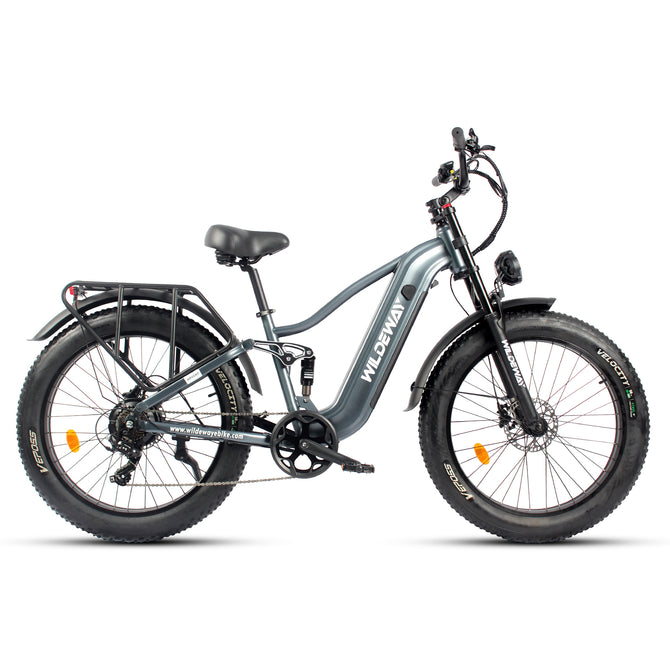
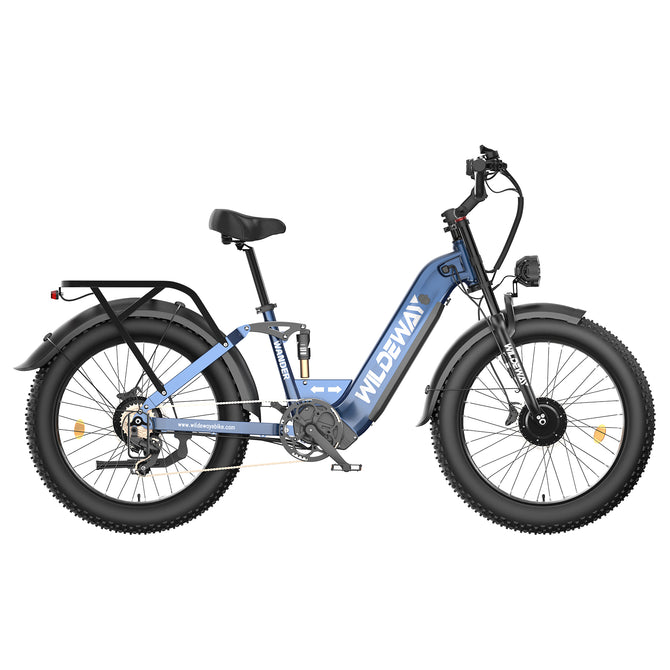
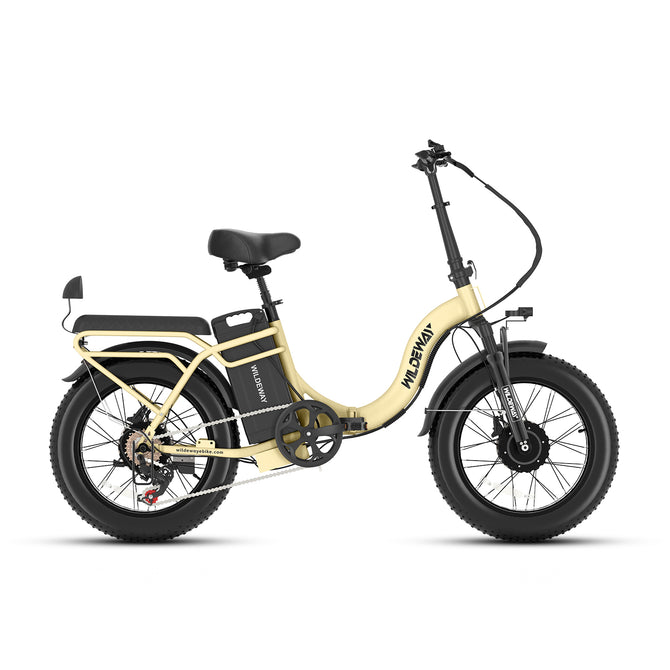
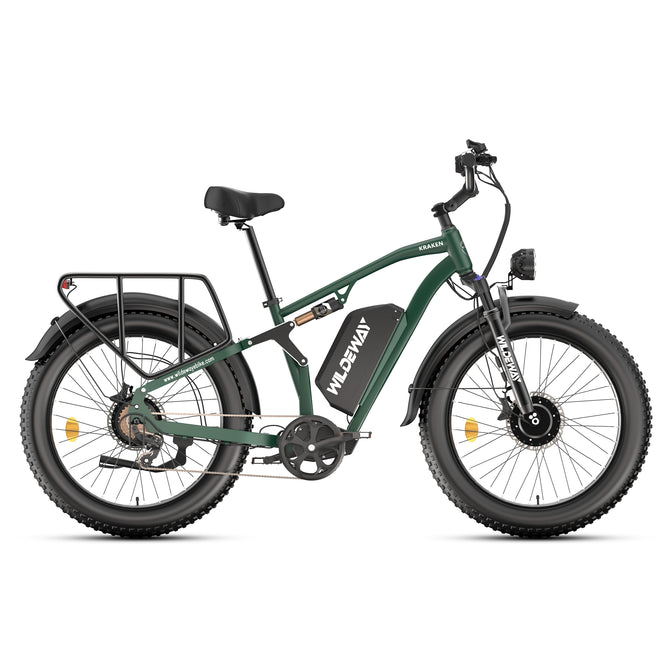
Models like the FW11 and FW11S roll on 3.0" Plus tires, while the Wander, Soared, and SummitX sit on massive 4.0" Fat tires.
Does one inch of width really matter that much? Absolutely. The tire size dictates your bike's agility, battery efficiency, and comfort level. Let’s break down the ride feel of both so you can choose your perfect match.
1. The 4.0" Fat Tire: The "Go Anywhere" Tank
Found on: Wander, Soared, SummitX.
Originally designed for riding in deep snow in Alaska, the 4.0" fat tire is the ultimate statement of off-road dominance. When paired with a 2000W dual-motor system, it turns your e-bike into an unstoppable SUV.
The Ride Feel:
-
Floating on Clouds: The massive air volume in a 4.0" tire acts as a secondary suspension system. You can run them at lower tire pressure (15-20 PSI), which allows the tire to absorb potholes, tree roots, and curb drops effortlessly.
-
Unmatched Traction: On loose surfaces like sand, mud, deep gravel, or snow, a standard tire sinks. A 4.0" tire floats. The wide contact patch grips the earth, preventing you from spinning out.
-
The Caveat (The Rolling Resistance): More rubber touching the road means more friction. On a low-power e-bike, 4.0" tires feel sluggish. However, because our bikes pack up to 2600W of dual-motor power, that sluggishness is completely eliminated. The motors easily push the heavy rubber, giving you speed and stability.
👉 Who is this for? Off-road adventurers, heavier riders who need extra stability, and people who ride in all weather conditions (snow/rain).
2. The 3.0" Plus Tire: The "Urban Athlete"
The 3.0" tire—often called a "Plus" tire—is the Goldilocks of the e-bike world. It is significantly wider than a traditional mountain bike tire (usually 2.0" to 2.2"), but not quite as massive as a full fat tire.
The Ride Feel:
-
Nimble and Agile: Because there is less rotating mass, the 3.0" tire handles much sharper. When you are weaving through tight city traffic or taking sharp corners on a paved bike path, the bike feels incredibly responsive and sporty.
-
Maximum Battery Efficiency: This is the secret weapon for delivery riders and long-distance commuters. Less friction means your motor doesn't have to work as hard. A 32Ah battery paired with a 3.0" tire will always squeeze out a few more miles of range compared to a 4.0" setup.
-
The "Just Right" Comfort: While not as bouncy as a 4.0" tire, a 3.0" tire still provides excellent shock absorption for urban hazards like uneven pavement and small potholes.
👉 Who is this for? Delivery professionals (UberEats/DoorDash), long-distance city commuters, and riders who value nimble handling and maximum range over extreme off-road capability.
3. Head-to-Head: Which Rubber Rules?
Here is the quick cheat sheet to help you decide:
| Feature | 4.0" Fat Tire (The Tank) | 3.0" Plus Tire (The Athlete) |
| Best Terrain | Sand, Snow, Mud, Rough Trails | Pavement, Hard-packed dirt, City Streets |
| Handling/Agility | Stable, heavy steering, cruising | Sharp, responsive, easy to corner |
| Battery Range | Standard (Great with our 32Ah/60Ah!) | Excellent (Maximum efficiency) |
| Shock Absorption | 10/10 | 8/10 |
| Our Top Model | Wander / Soared | FW11 / FW11S |
Conclusion: Dirt or Pavement?
Choosing your tire size comes down to where you spend 80% of your time riding.
If your daily route involves dodging city traffic and maximizing every drop of battery juice, the 3.0" Plus tire is your best friend. But if you look at a muddy forest trail or a snowy road and think, "I want to ride through that," you need the uncompromising grip of the 4.0" Fat tire.
Ready to hit the road (or the dirt)?


