

Can You Take a Folding E-Bike on a Train, Bus, or Ferry? A Transit Compatibility Checklist
A folding frame can make an e-bike easier to store, but it does not automatically make the bike eligible for public transit. Train, bus, and ferry operators may set separate limits for total weight, folded dimensions, tire width, motor rating, battery condition, certification, reservations, and travel time.
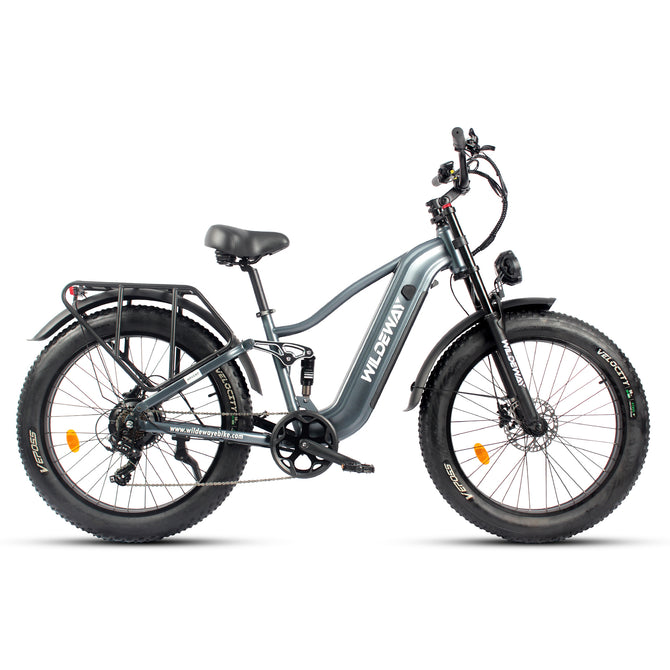
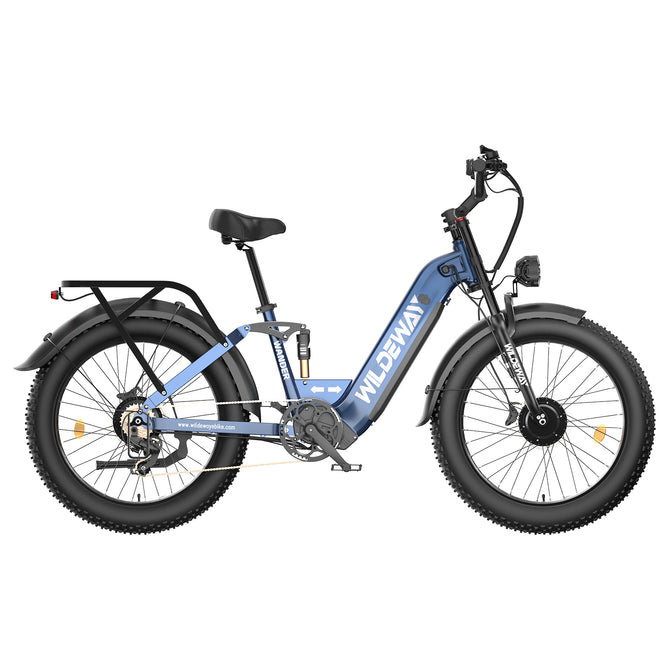
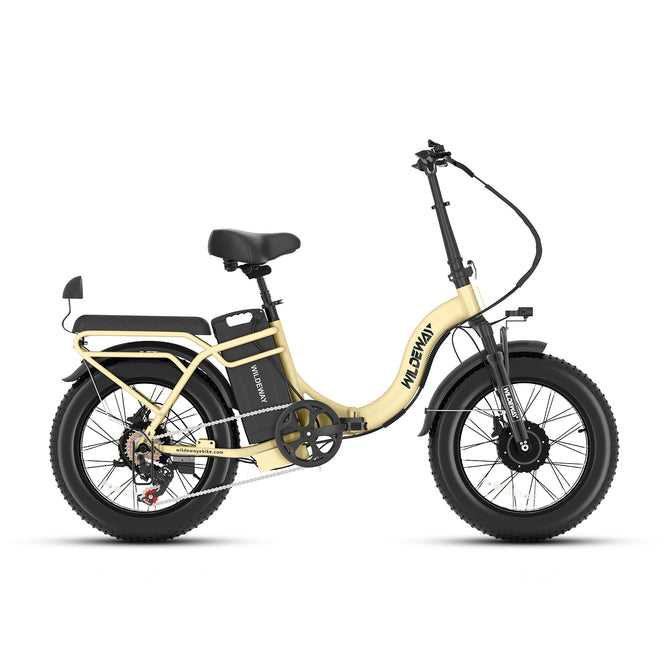
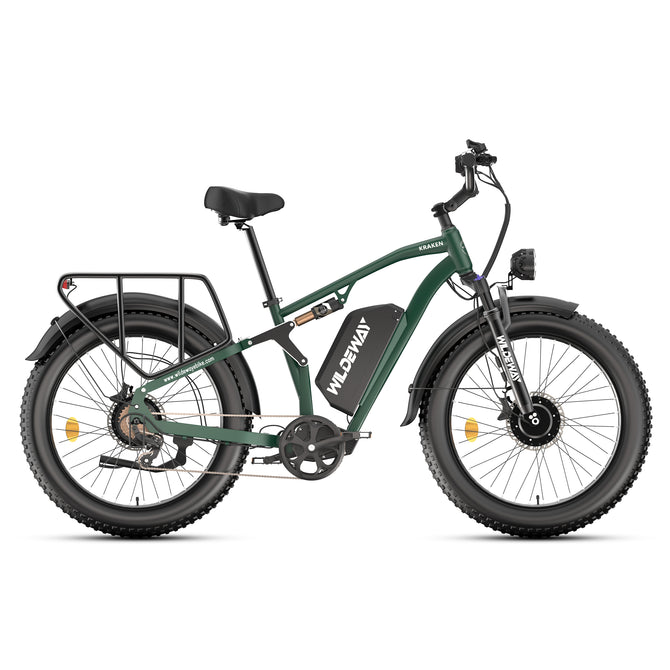
That distinction matters with a substantial folding fat-tire e-bike such as the WILDEWAY SummitX. Its folding design reduces its storage footprint, yet its weight and 20 × 4.0-inch tires can exceed some transit systems’ published limits.
Before building a bike-plus-transit trip, compare the exact bicycle configuration with the exact operator and service—not with a general promise that “folding bikes are allowed.”
The Short Answer: Check the Whole Policy, Not One Word
You may be able to take a folding e-bike on transit, but acceptance varies by operator, route, vehicle, time, and bicycle configuration. “Folding bike permitted” is only the first checkpoint.
A useful transit compatibility check has at least six parts:
- Is an e-bike permitted, or only a conventional bicycle?
- Does the operator distinguish a bicycle-shaped e-bike from a moped- or motorcycle-style vehicle?
- What are the maximum weight, tire width, wheel size, overall size, and folded dimensions?
- Must the battery remain installed, be removed, or meet a named certification requirement?
- Is a bicycle reservation, fee, inspection, or operator seal required?
- Are there peak-hour, station, route, or capacity restrictions?
Policies can change. Recheck the official page shortly before departure, especially when a trip includes a connection between different agencies.
Why Folding Does Not Equal Transit Compatible
Folding answers one question: can the frame be reduced to a smaller storage shape? Transit staff still need to know whether the bike fits the available rack or baggage area, can be lifted safely, and meets the operator’s rules for powered devices.
Amtrak illustrates the difference. Its current bicycle page says folding bicycles used as baggage must be under 34 × 15 × 48 inches. The same page separately limits accepted standard e-bikes to 50 pounds, tires up to 2 inches, less than 750 watts of continuous motor power, and a motor-only maximum speed of 20 mph. Some California routes allow wider tires, but those are route-specific exceptions. Advance reservations may also be required for trainside bicycle service. Amtrak
In Metro Vancouver, TransLink permits e-bikes on several services subject to detailed rules. Its exterior bus racks have a 55-pound maximum and a 3-inch maximum tire width; riders using a bus rack must remove the e-bike battery and bring it onboard. Capacity and peak-hour limits also apply on rail services. TransLink
These are examples, not North American standards. A bike accepted by one operator may be refused by another.
SummitX as a Real Compatibility Case Study
The current SummitX product page lists:
- Folded dimensions of 38.1 × 22 × 35.4 inches.
- Bike weight without a battery of 98.8 pounds.
- Complete weight of 121.5 pounds with the 32Ah battery or 132.7 pounds with the 60Ah battery.
- 20 × 4.0-inch tires.
- A removable battery and folding frame.
The page also makes an important point: folding reduces storage space, not the weight that must be lifted. Wildeway
Based on those published numbers, SummitX does not meet Amtrak’s general folding dimensions, 50-pound accepted-e-bike limit, or general 2-inch tire limit. It also exceeds TransLink’s published exterior bus-rack weight and tire-width limits even with the battery removed.
This does not establish what every train, ferry, or local service will decide. It shows why model-specific checking is essential.
GO Transit in Ontario provides another useful example. Its current rider page lists a 55-kilogram limit for e-bikes on trains and a 25-kilogram limit, with battery removed, on GO bus racks. It also requires qualifying batteries, restricts certain vehicle styles, inspects e-bikes, limits peak-hour access, and caps bicycle spaces. GO Transit
Do not infer SummitX eligibility from one matching number. GO’s full definition also includes electrical and motor criteria, while the SummitX page publishes combined peak output rather than the continuous rating used in that policy. The complete 32Ah and 60Ah configurations also exceed 55 kilograms. Eligibility therefore cannot be confirmed from the retail page alone.
The honest conclusion is practical: SummitX may fold for home storage or private-vehicle transport, but buyers should not assume that it is suitable for a planned bus or rail connection.
Compare the Exact Service You Will Use
Transit policies are operational, not just regional. Check the named train, bus, ferry, station, and departure.
| Operator example | Current published checkpoints | Planning lesson |
|---|---|---|
| Amtrak | Folding dimensions; e-bike weight, tire, continuous-power and speed limits; route-specific service | “Folding” and “electric” rules must both be checked |
| TransLink | Vehicle type, rack weight and tire limits, battery removal, capacity and peak periods | A fat-tire bike may be too wide or heavy for a bus rack |
| GO Transit | Train and bus weight limits, battery standards and inspection, peak-hour restrictions, designated zones | Train permission does not guarantee bus permission |
| Washington State Ferries | Bicycle loading instructions, arrival guidance, stowage location and route-dependent charges | Ferry travel may be more accommodating, but the specific sailing still matters |
Washington State Ferries currently advises bicycle passengers to arrive about 20 minutes before departure for priority loading on most sailings, follow crew directions, secure bikes on the car deck, and keep walkways clear.
Its general bicycle page does not provide a blanket e-bike compatibility guarantee, so contact the operator if battery, size, or vehicle-type questions remain. WSDOT
A Seven-Step Pre-Trip Check
1. Identify the Bicycle Exactly
Record the model, battery option, installed accessories, actual weight, tire markings, folded dimensions, and motor information supplied by the manufacturer. Do not use shipping-box dimensions or a review of a different version.
2. Read the Operator’s Official Page
Search the operator’s site for “bicycle,” “e-bike,” “folding bicycle,” and “battery.” Check the date and whether the rule applies to your specific route and vehicle.
3. Check Every Connection
A rail operator may accept the bike while a connecting city bus does not. Treat each agency and transportation mode as a separate compatibility decision.
4. Ask a Precise Question
If the policy is unclear, contact the operator before buying a nonrefundable ticket.
Provide the bike’s:
- Weight with and without the battery.
- Tire width.
- Folded dimensions.
- Motor information.
- Battery certification evidence.
- Planned route and departure.
Ask for an answer in writing when possible.
5. Plan for Capacity Failure
A permitted bike is not always guaranteed a space. Build extra time into the trip, avoid restricted peak periods, and identify the next departure or secure station bicycle parking.
6. Prepare the Bike Without Improvising
Follow the operator’s instructions for battery handling. Remove panniers and loose accessories when required, switch the bike off, protect controls from accidental activation, and keep the key secure.
Never open, modify, disguise, or ship a lithium-ion battery merely to get around a rule.
7. Recheck Before Departure
Review the official policy again, look for service alerts, and confirm reservations. Save the relevant policy page on your phone, but follow current staff directions at the station or terminal.
Boarding-Day Safety and Etiquette
Arrive early enough to avoid rushing with a heavy bicycle. Walk the bike in stations and terminals unless signs explicitly permit riding. Keep doors, aisles, ramps, tactile warning surfaces, and accessible areas clear.
Do not expect the driver or conductor to lift the bike. If the published loading process requires a lift you cannot safely perform, choose another plan. A folded heavy e-bike can still create a hand, back, or crush hazard.
Inspect the battery before leaving home. Do not travel with a battery that is swollen, leaking, punctured, unusually hot, or otherwise damaged.
Do not charge onboard or at a station unless the operator explicitly provides and permits that service. GO Transit, for example, prohibits charging e-bike batteries on its property. GO Transit
Keep the bicycle under control, stay near it when required, and follow crew instructions. Transit personnel may refuse an item that presents a safety or capacity problem even when the trip was planned in advance.
Frequently Asked Questions
Does a Folding E-Bike Count as Carry-On Luggage?
Sometimes, but only if it meets the operator’s folded-size, weight, storage, and powered-device rules. Amtrak publishes specific folding dimensions and says storage is in designated luggage areas, not overhead racks. Other operators use different definitions.
Can I Remove the Battery to Meet a Weight Limit?
Only when the operator permits or requires it. Removing the battery changes the weight but not the tire width, folded dimensions, frame style, or motor criteria. You also need an approved way to carry and store the battery.
Are Fat-Tire E-Bikes Allowed on Bus Racks?
It depends on the rack. Compare both tire width and bicycle weight. TransLink’s current exterior racks publish a 3-inch tire maximum, so a 4-inch tire does not fit that stated limit.
Can I Take SummitX on Amtrak?
Not under Amtrak’s general published e-bike and folding-bike limits reviewed for this article. SummitX exceeds the stated general weight, tire-width, and folding-dimension limits.
Route-specific exceptions should still be checked directly, but do not book on the assumption that an exception applies.
Is SummitX Allowed on GO Transit?
This article cannot confirm that. GO’s policy includes weight, battery, motor, vehicle-style, inspection, capacity, and time restrictions. The SummitX retail specifications do not provide every policy-specific value needed to establish eligibility.
Are Ferries Easier Than Trains or Buses?
They can offer more bicycle space, but policies, charges, loading areas, and battery rules still vary. Check the exact ferry operator and sailing, and arrive at the time requested for bicycle passengers.
Conclusion
A folding e-bike belongs on a public-transit itinerary only after the exact bike passes the exact operator’s complete checklist. Confirm weight, dimensions, tire width, electrical criteria, battery handling, reservations, capacity, and every connection.
For riders considering the WILDEWAY SummitX, its folding frame is valuable for reducing storage footprint, while its published weight and 4-inch tires make advance transit verification especially important.
Explore SummitX for commuting, weekend utility, home storage, and private-vehicle adventures—but choose it with an honest plan for lifting and transportation.


