

Fall E-Bike Commuting Checklist: 9 Ways to Ride Safer and Protect Your Range
Fall can be one of the best seasons for riding an electric bike. Cooler air makes longer trips more comfortable, changing leaves transform familiar routes, and an e-bike can keep daily errands or commutes enjoyable long after summer ends.
However, shorter daylight hours, wet leaves, changing temperatures, and unpredictable weather require a few adjustments. Before starting a fall e-bike commute, check your tires, brakes, lights, battery, drivetrain, and route. Ride more smoothly on wet surfaces, allow extra stopping distance, and use only the charger approved for your battery.
This practical fall e-bike commuting checklist is designed for riders across the United States and Canada.
Why Does Fall Weather Affect E-Bike Riding?
Autumn conditions can change quickly. A morning may begin cold and damp, warm up at noon, and end with rain during the evening commute. These changes affect both the rider and the bike.
The most common seasonal challenges include:
-
Reduced visibility during darker mornings and earlier sunsets
-
Wet pavement, painted road markings, and fallen leaves
-
Lower tire pressure as temperatures change
-
Longer stopping distances on slippery surfaces
-
Mud, road grit, and moisture accumulating around the drivetrain
-
Reduced battery performance in colder conditions
-
More frequent route changes caused by weather or trail conditions
Cold temperatures do not automatically make an e-bike unsafe, but they can temporarily affect battery performance. U.S. Department of Energy research identifies increased internal resistance as an important limitation for lithium-ion batteries at low temperatures. In everyday terms, this means riders may notice less available power or range on colder days than they experience in mild weather.
The solution is not to stop riding. It is to plan with a larger energy reserve and take better care of the battery.
1. Check the Weather and Daylight Before Leaving
Do not rely only on the temperature displayed in the morning. Review the conditions expected for your return trip as well.
Look for:
-
Rain and wind forecasts
-
Sunset time
-
Sudden temperature drops
-
Frost warnings
-
Trail or road closures
-
Standing water after recent storms
If the return journey will happen near sunset, take your lights even when the morning is bright. A compact waterproof jacket, light gloves, and an extra reflective layer can also make an unexpected weather change much easier to manage.
When possible, choose protected bike lanes, multi-use paths, and lower-speed streets. The National Highway Traffic Safety Administration recommends planning routes with less traffic and slower vehicle speeds.
Your shortest route is not always your safest fall route.
2. Inspect Tire Pressure and Tread
Changing temperatures can alter tire pressure, so a tire that felt correct during a warm afternoon may feel softer on a cold morning.
Check the pressure when the tires are cool and follow the range printed on the tire sidewall or specified by the bike manufacturer. Avoid choosing an arbitrary pressure based on another rider’s setup because the correct pressure depends on the tire, rider weight, cargo, terrain, and weather.
Also inspect the tread and sidewalls for:
-
Embedded glass, thorns, or stones
-
Cuts or cracking
-
Unusual bulges
-
Excessively worn tread
-
Slow leaks around the valve
Wider tires can provide comfort and stability on imperfect pavement, but they do not eliminate the risk created by wet leaves, ice, gravel, or painted road markings. Slow down before entering a slippery area and avoid sharp braking or sudden steering while crossing it.
3. Test Both Brakes Before Every Ride
Fall roads can increase stopping distance. Your brakes should engage consistently before you enter traffic or descend a hill.
Squeeze the front and rear brake levers separately while standing beside the bike. The levers should feel firm and should not pull all the way to the handlebar. Then complete a low-speed braking test in a safe area.
Check for:
-
Weak or inconsistent braking
-
Unusual scraping or grinding
-
Loose brake components
-
Excessive pad wear
-
Rotors contaminated with oil or cleaning products
-
Cables or hoses showing damage
The League of American Bicyclists includes air, brakes, chain, cranks, fasteners, and a short test ride in its ABC Quick Check.
If braking performance changes noticeably, arrange an inspection before continuing to ride. Wet-weather commuting is not the right time to postpone brake maintenance.
4. Make Visibility Part of Your Routine
In autumn, “daytime” does not always mean “good visibility.” Rain, fog, tree cover, and low-angle sunlight can make riders harder to see.
Use a working white front light and red rear light when visibility is limited. Reflective accents on a jacket, helmet, backpack, or pannier can provide additional visibility from different angles.
NHTSA recommends a helmet, bright daytime clothing, reflective equipment, a white front light, a red rear light, and bicycle reflectors when riding at night or in poor visibility.
Before each ride:
-
Turn on both lights.
-
Confirm they are firmly mounted.
-
Make sure bags or clothing do not block them.
-
Check the remaining charge on rechargeable lights.
-
Carry a backup light for longer evening trips.
Positioning also matters. Ride predictably, signal before turning, and avoid moving suddenly between the road, bike lane, and sidewalk. A driver cannot respond safely if your movement is difficult to anticipate.
5. Plan for Lower Cold-Weather Battery Range
An e-bike range estimate is not a guarantee. Rider weight, hills, wind, tire pressure, cargo, temperature, assist level, speed, and frequent stops can all change energy consumption.
During fall, begin by tracking real-world battery use on familiar routes. If a summer commute typically uses a certain portion of the display, allow a larger reserve when the weather becomes colder or windier.
To make your available charge go farther:
-
Use a moderate pedal-assist level
-
Start smoothly instead of accelerating aggressively
-
Shift into an easier gear before climbing
-
Keep the tires properly inflated
-
Reduce unnecessary cargo
-
Avoid maintaining maximum assistance for the entire trip
-
Plan charging around the round trip, not only the outbound ride
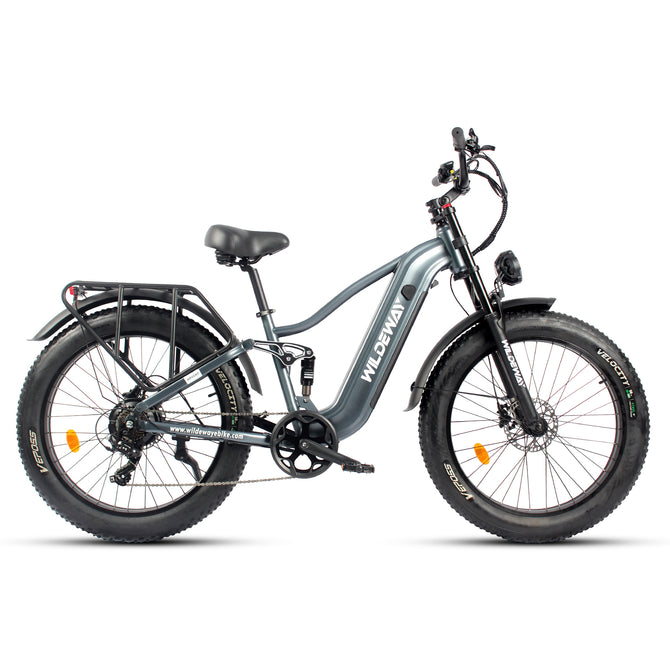
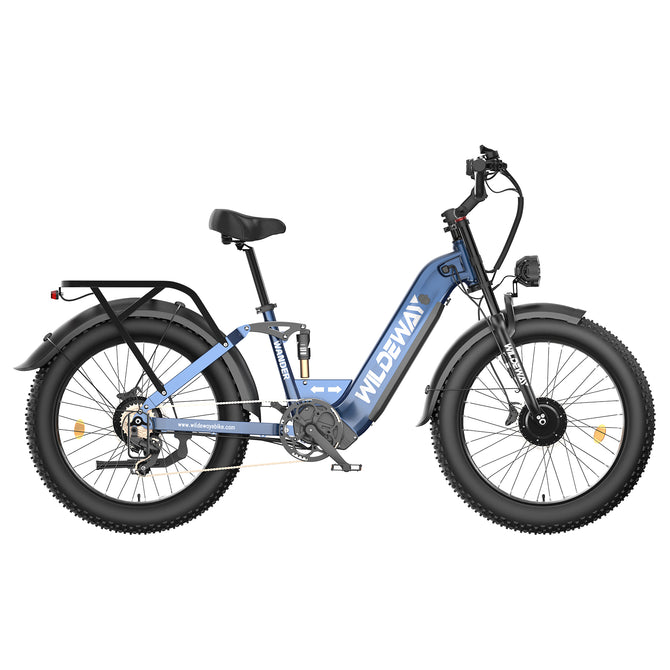
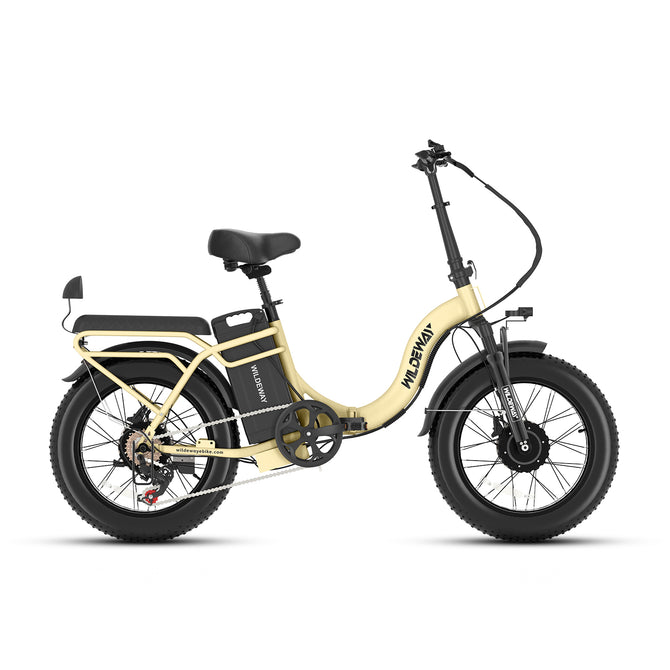
A large-capacity battery can offer useful flexibility, but efficient riding remains important. Riders considering a foldable long-range platform can compare the step-over WILDEWAY FW11 3.0 Pro with the step-through WILDEWAY FW11S 3.0 Pro. The better choice depends on mounting preference, fit, storage needs, and riding routine—not only the largest number on a specification chart.
6. Charge and Store the Battery Safely
Cooler weather often moves charging indoors, making safe charging habits especially important.
The U.S. Consumer Product Safety Commission recommends using only the charger supplied or recommended by the manufacturer, remaining present while charging, unplugging the device when charging is complete, and never charging while sleeping or away from home.
Health Canada similarly advises consumers to use the proper charger, avoid unauthorized modifications, and store batteries in a dry, secure, well-ventilated location away from heat and direct sunlight. See the Government of Canada’s battery safety guidance.
Additional precautions include:
-
Inspect the battery and charger for damage
-
Keep the charging area clear of combustible clutter
-
Do not use a battery that is swollen, cracked, leaking, or unusually hot
-
Do not use an unknown “universal” charger
-
Do not attempt a battery repair without qualified support
-
Follow the manufacturer’s temperature and storage instructions
-
Keep the battery and charger away from children and pets
If the bike has been stored in very cold conditions, follow its manual before charging. Battery-specific instructions should always take priority over general online advice.
7. Keep the Drivetrain Clean and Dry
Rain, mud, wet leaves, and road grit can collect around the chain, cassette, chainring, derailleur, and folding joints. Leaving that contamination in place can lead to noise, corrosion, poor shifting, and faster wear.
After a wet ride:
-
Switch the bike off.
-
Wipe away moisture and visible dirt with a soft cloth.
-
Clean the chain with an appropriate bicycle product when necessary.
-
Allow the drivetrain to dry.
-
Apply bicycle chain lubricant according to its instructions.
-
Remove excess lubricant so it does not attract more grit.
Avoid spraying high-pressure water directly at the motor, battery connections, display, bearings, or electrical components. An e-bike may be designed to handle normal riding conditions, but that does not make every component suitable for pressure washing or submersion.
8. Carry a Small Fall Commuting Kit
A well-prepared kit does not need to be heavy. Start with the problems most likely to interrupt your normal route.
Consider carrying:
-
Compact tire pump
-
Tube or puncture-repair supplies compatible with your tires
-
Basic multi-tool
-
Backup front or rear light
-
Lightweight waterproof layer
-
Reflective band or vest
-
Phone and emergency contact information
-
Lock appropriate for your destination
-
Dry bag or waterproof cover for essential items
-
Manufacturer contact and bike serial number
Secure cargo to the rear rack or carry it in a backpack or pannier. NHTSA advises keeping carried items in a backpack or attached to the rear of the bicycle rather than hanging them from the handlebars.
Check the bike’s rack and total payload limits before adding groceries, work equipment, camping supplies, or a passenger accessory.
9. Finish With a Controlled Test Ride
Maintenance is not complete until the bike has been tested.
Use a driveway, empty parking area, or quiet path to confirm:
-
The display turns on normally
-
Pedal assist engages smoothly
-
The throttle operates correctly, if equipped and permitted
-
Both brakes stop the bike predictably
-
Steering feels stable
-
The tires hold pressure
-
The lights remain secure
-
The drivetrain shifts through the gears
-
No new warning codes or unusual sounds appear
CPSC recommends checking the handlebars, brakes, throttle, bell, lights, tires, cables, and frame for damage before riding.
If something feels different, stop and investigate. A small mechanical problem discovered near home is much easier to manage than the same problem during a rainy evening commute.
Two-Minute Fall E-Bike Checklist
| Check | What to confirm |
|---|---|
| Battery | Securely installed with enough charge and reserve |
| Tires | Correct pressure, useful tread, no visible damage |
| Brakes | Firm lever feel and predictable stopping |
| Lights | Front and rear lights working and unobstructed |
| Drivetrain | Chain clean, lubricated, and shifting properly |
| Frame | No loose parts or visible damage |
| Weather | Rain, wind, temperature, frost, and sunset checked |
| Cargo | Within limits and firmly secured |
| Rider | Helmet fitted, reflective layer ready, phone charged |
Fall Riding in the United States and Canada
E-bike rules can differ between states, provinces, cities, parks, and trail systems. Requirements may address helmet use, motor power, assisted speed, throttles, minimum rider age, passenger use, and where an e-bike may operate.
Before riding somewhere new:
-
Check state or provincial regulations
-
Review local municipal rules
-
Confirm whether the trail allows your type of e-bike
-
Follow posted speed limits and access signs
-
Use an approved helmet
-
Adjust settings or riding behavior when local rules require it
Do not assume that a bike permitted on a road is automatically permitted on every park trail or shared path.
Frequently Asked Questions
Does cold weather reduce e-bike range?
It can temporarily reduce available battery performance. Wind, hills, tire pressure, assistance level, rider weight, and cargo also affect range. Plan a larger battery reserve in colder conditions and store the battery according to the manufacturer’s instructions.
Can I ride an e-bike in autumn rain?
Many e-bikes can be used in normal light rain, but water protection varies by model. Consult the owner’s manual, avoid submerging components, do not use high-pressure washing, and allow extra stopping distance.
Are fallen leaves dangerous for e-bike riders?
Wet or compacted leaves can reduce traction and may conceal potholes, curbs, branches, or road debris. Reduce speed before reaching them, keep steering smooth, and avoid sudden braking.
How often should I check my e-bike during fall?
Complete a brief safety check before every ride. Clean and inspect the bike after wet or muddy trips, and arrange professional service when braking, shifting, steering, electrical performance, or tire condition changes.
Which WILDEWAY folding e-bike is better for commuting?
The FW11 3.0 Pro uses a step-over frame, while the FW11S 3.0 Pro provides a step-through configuration. Choose according to fit, mounting comfort, storage requirements, and intended use. Always verify the current product-page specifications before ordering.
Make Fall Riding Part of Your Routine
Fall e-bike commuting becomes easier when preparation turns into a habit. Check the weather, inspect the bike, protect your visibility, leave extra battery reserve, and slow down when the surface changes.
A two-minute check before leaving can help prevent a much longer interruption later.
Explore the WILDEWAY e-bike collection to compare folding, step-through, long-range, commuter, and all-terrain options for your next ride.


