

How to Lock an E-Bike and Prevent Theft: 12 Practical Tips
An electric bike is more valuable—and often heavier and more difficult to replace—than a conventional bicycle. Its battery, display, wheels, lights, cargo accessories, and other removable components can also attract attention even when a thief cannot take the complete bike.
That does not mean you should avoid using an e-bike for commuting, errands, food delivery, recreation, or RV travel. It means that security should be planned before you arrive at your destination.
No lock can make a bicycle impossible to steal. The practical objective is to increase the time, noise, tools, and effort required while reducing opportunities for a thief to remove the complete bike or its valuable components.
This guide explains how to create a layered e-bike security routine for public parking, apartment storage, garages, workplaces, and travel.
The Short Answer
The best way to lock an e-bike is to secure its main frame—not only a wheel—to a properly installed, immovable bicycle rack using a quality hardened-steel U-lock or heavy-duty chain.
Whenever possible, secure both wheels, add a second lock of a different type, remove valuable accessories, lock or remove the battery according to the manufacturer’s instructions, and park in a visible, well-traveled location.
Record the serial number, keep photographs and the purchase receipt, register the bicycle where a suitable registry is available, and review any insurance requirements before a theft occurs.
E-Bike Security Checklist
| Security layer | What to do |
|---|---|
| Primary lock | Secure the main frame to a fixed bicycle rack |
| Secondary lock | Secure the second wheel or create another frame connection |
| Parking location | Choose a visible, well-lit and well-traveled area |
| Anchor | Confirm the rack cannot be lifted, cut or removed easily |
| Battery | Lock it correctly or remove it when appropriate |
| Accessories | Remove lights, bags, displays and other detachable items |
| Identification | Record the serial number and distinctive features |
| Registration | Use a local police or recognized bicycle registry |
| Home storage | Lock the bike to a fixed indoor anchor |
| Recovery preparation | Save current photographs, receipts and insurance details |
1. Start With a Quality Primary Lock
A thin cable lock may be convenient, but it should not be the only protection for a high-value electric bike.
The City of Toronto’s bicycle-theft guidance recommends using a quality hardened-steel U-lock or a hardened-steel chain and padlock. It notes that U-locks generally provide greater theft deterrence than cable locks.
Choose a lock that is:
-
Intended for bicycle or e-bike security
-
Large enough to capture the frame and rack
-
Small enough to leave limited unused space
-
Resistant to common cutting and leverage attacks
-
Suitable for the risk level and parking duration
-
Supported by clear warranty and key-replacement policies
A larger lock is not automatically more secure. Excess internal space can make it easier to insert tools or apply leverage. Select the smallest practical lock that fits around the correct structural parts without contacting delicate cables, brake hoses, or electrical components.
2. Lock the Frame—Not Only the Wheel
The primary lock must pass through a structural part of the main frame and around the fixed rack.
Never rely on locking only:
-
A front wheel
-
A rear wheel
-
A seat post
-
A removable battery handle
-
A cargo rack
-
A fender support
-
A folding handlebar stem
-
A suspension component
A wheel can sometimes be removed while the rest of the bicycle is taken. Similarly, most accessories and racks are not designed to serve as security anchors.
Before stepping away, pull firmly on the bike and lock to confirm that the main frame is genuinely connected to the parking rack.
3. Use a Second Lock for Layered Security
Two locks can improve security, particularly when they use different mechanisms.
One practical setup is:
-
Use a hardened U-lock to connect the frame and one wheel to the rack.
-
Use a heavy chain or secondary lock to secure the remaining wheel and frame.
-
Position the locks away from the ground.
-
Remove as much empty space from each lock as practical.
-
Turn keyways away from easy access when the lock design permits it.
Using two different lock types may require a thief to carry and use more than one kind of tool. The City of Toronto specifically recommends considering two different types of locks for this reason.
A lightweight cable can be useful for retaining a wheel, helmet, or saddle, but it should be considered supplemental protection—not the primary defense for an expensive e-bike.
4. Inspect the Rack Before Using It
A powerful lock is ineffective if the object around it can be removed easily.
Before locking your e-bike, check that the rack:
-
Is firmly attached to the ground or wall
-
Does not move when pushed
-
Has no loose bolts
-
Has no cut or disconnected section
-
Cannot be lifted out of the ground
-
Allows the frame to be secured
-
Is not open at the top
-
Is not thin enough to cut quickly
-
Is legally available for bicycle parking
Avoid relying on a rack that captures only the front wheel. Toronto’s guidance warns that these “wheel-bender” designs may leave the frame unsecured and can make wheel damage more likely.
Do not attach the bike to trees, handrails, accessibility ramps, emergency equipment, temporary construction barriers, or signs where bicycle parking is prohibited.
5. Choose the Parking Location Carefully
Location is another security layer.
For short daytime stops, look for a rack that is:
-
Visible from nearby businesses or occupied buildings
-
In a well-lit area
-
Used by other cyclists
-
Exposed to normal pedestrian traffic
-
Away from concealed corners
-
Properly installed and maintained
-
Within view of a camera when available
Visibility does not guarantee protection, but an isolated location may give a thief more time to work without interruption.
Inspect the area before locking. A rack can look secure from a distance while having loose fasteners, previous cut marks, or a removable crossbar.
For regular commuting, investigate parking options before the first trip. Ask the employer, apartment manager, university, transit operator, or shopping center whether it provides a secure bike room, locker, cage, monitored area, or indoor parking.
6. Avoid Public Overnight Parking When Possible
Leaving an e-bike outdoors overnight creates a different risk level from making a short daytime stop.
When possible, move the bike into:
-
A private residence
-
A locked garage
-
A secure workplace room
-
An access-controlled bicycle room
-
An individual bicycle locker
-
A monitored indoor parking facility
The City of Toronto recommends avoiding sidewalk or street parking overnight whenever possible and using more secure facilities for long-term storage.
Indoor storage does not eliminate the need for a lock. Shared apartment garages and bicycle rooms may be accessed by many people. Lock the frame to a fixed anchor even when the room itself requires a key or access card.
Do not rely only on a garage-door opener, folding-bike storage bag, vehicle trunk, or locked shed.
7. Protect the Battery Correctly
A removable e-bike battery is valuable, but battery handling must follow the instructions for the specific model.
Before leaving the bike, confirm that the battery:
-
Is fully inserted
-
Is locked to its mount
-
Cannot move unexpectedly
-
Has no visible damage
-
Has its charging-port cover closed
-
Is disconnected from the charger
For a longer stop, consider removing the battery if the bicycle is designed for routine battery removal and you can carry it safely. Removing the battery may reduce the bike’s immediate usability and protect one of its most valuable components.
However, a large-capacity battery can be heavy. Do not place it where it can fall, become wet, overheat, contact metal objects, or be damaged inside a bag or vehicle.
Removing the battery is an additional precaution, not a replacement for locking the frame securely.
8. Remove Accessories and Secure the Wheels
Anything that can be detached without tools—or with a small common tool—deserves attention.
Remove or secure:
-
Clip-on lights
-
Phone mounts and phones
-
Tool bags
-
Panniers
-
Helmets
-
Pumps
-
Cameras
-
Removable displays
-
Quick-release saddles
-
Cargo straps
-
Keys
-
Valuable items stored in baskets
If the wheels use quick-release mechanisms, secure both wheels with locks or consider approved locking skewers or axles compatible with the bicycle.
Never leave the battery key in the lock. Do not hide a spare key in a bag attached to the bike.
9. Secure Folding E-Bikes by the Main Frame
Folding e-bikes require the same basic security rule as other bicycles: the primary lock must capture the main structural frame.
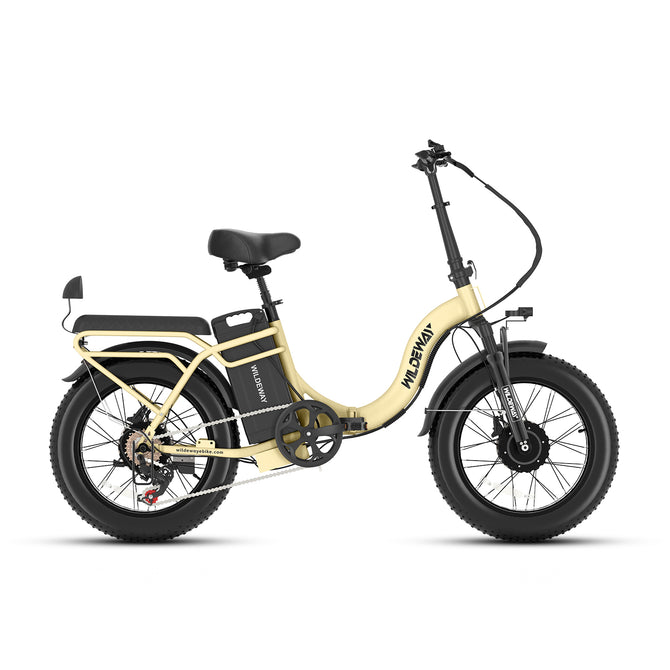
Models such as the WILDEWAY FW11 3.0 Pro and FW11S 3.0 Pro are designed to fold for transportation and storage. Folding, however, does not replace locking.
Do not use the following as the only locking point:
-
Folding stem
-
Handlebar
-
Seat post
-
Rear cargo rack
-
Folding pedal
-
Battery handle
-
Wheel alone
Make sure the lock does not crush an electrical cable, brake hose, display wire, or folding-latch component.
If you transport the bike in an SUV or RV, read our guide to transporting a folding e-bike safely. At stops, keep the vehicle locked and avoid leaving the bike visible inside for extended periods.
10. Record the Serial Number Before You Need It
The best time to collect ownership information is before a theft.
Create a record containing:
-
Serial number
-
Make and model
-
Frame color
-
Frame size
-
Battery serial number when available
-
Motor serial number when available
-
Purchase date
-
Purchase receipt
-
Current replacement value
-
Distinctive marks or accessories
-
Several clear photographs
-
Photographs of the serial-number location
-
Lock make, model and key number
-
Insurance policy information
Store the information somewhere other than on the bicycle or in a bag attached to it.
Toronto Police states that bicycle registration and an identifiable serial number can assist recovery. Registration options vary by location, so check whether your local police department, university, municipality, workplace, or recognized bicycle registry offers an appropriate service.
11. Treat GPS Tracking as a Supplement
A compatible GPS or Bluetooth tracker may help locate a bicycle after it has been moved, but it should not replace a physical lock.
Tracking devices have limitations:
-
Batteries require charging or replacement
-
Signals may be unavailable
-
Indoor location can be inaccurate
-
A device may be discovered and removed
-
Network coverage varies
-
Location updates may be delayed
-
Subscription or phone compatibility may be required
Review local privacy laws and the tracker manufacturer’s instructions before installation.
If a tracker indicates that a stolen bike is at a particular location, do not confront a suspected thief or attempt to recover it alone. Save screenshots and location information, then provide them to the police handling the report.
12. Know What to Do If the Bike Is Stolen
Act promptly, but protect your personal safety.
-
Confirm that the bike was not moved by property management, security staff, a towing contractor, or a municipal agency.
-
Photograph the location and any damaged lock or rack.
-
Record the approximate theft window.
-
Preserve nearby video if a business or property manager has cameras.
-
File a police report using the correct local procedure.
-
Provide the serial number, photographs, receipt and detailed description.
-
Notify the bicycle registry where applicable.
-
Contact the insurer if the bike may be covered.
-
Monitor legitimate online marketplaces without arranging a confrontation.
-
Give possible location or sales information to police.
The City of Toronto advises riders who believe they have found their stolen bike in an online listing to alert police rather than contacting the seller directly.
Keep damaged locks and photographs of the scene because an insurer or lock manufacturer may request evidence.
Common E-Bike Locking Mistakes
Avoid these frequent errors:
-
Using a cable lock as the only lock
-
Locking only the front wheel
-
Using a removable object as the anchor
-
Leaving a large gap inside the U-lock
-
Allowing the lock to rest on the ground
-
Parking in the same isolated location every day
-
Leaving the bike outside overnight
-
Leaving the battery key installed
-
Assuming a camera will prevent theft
-
Forgetting to record the serial number
-
Leaving panniers and lights unattended
-
Locking the bike inside a garage but not to an anchor
Frequently Asked Questions
What is the best way to lock an e-bike?
Use a quality hardened-steel U-lock or heavy-duty chain to connect the main frame to a properly installed, immovable bicycle rack. Secure both wheels and add a second lock when the parking risk or duration justifies it.
Is a cable lock enough for an electric bike?
A cable can provide supplemental protection for a wheel or accessory, but it should not normally be the only lock protecting a high-value e-bike.
Should I remove the battery when parking?
Consider removing it during longer stops if the battery is designed for routine removal and you can carry and store it safely. For shorter stops, confirm that it is fully inserted and locked. Always follow the model-specific instructions.
Can I lock an e-bike by the rear rack?
The primary lock should pass through the main structural frame. A cargo rack, fender support, battery handle, seat post, or wheel alone may not prevent the rest of the bike from being taken.
Is it safe to leave an e-bike outside overnight?
Outdoor overnight parking creates a higher risk. Use an indoor, access-controlled room or bicycle locker whenever possible, and lock the frame to a fixed anchor even inside shared storage.
Does GPS prevent an e-bike from being stolen?
No. A tracker may assist with location or recovery, but it does not physically prevent theft and may not always provide an accurate or current position.
What information do police need after a bike theft?
Procedures vary, but useful information generally includes the serial number, make, model, color, photographs, receipt, distinctive features, theft location, approximate time, and any camera or tracking information.
Final Security Checklist
Before walking away, ask:
-
Is the frame connected to the rack?
-
Is the rack genuinely immovable?
-
Are both wheels protected?
-
Is the primary lock made for high-security bicycle use?
-
Is there limited empty space inside the lock?
-
Is the battery locked or safely removed?
-
Have valuable accessories been removed?
-
Is the location visible and appropriate?
-
Do I have the serial number and current photos?
-
Would a more secure indoor location be available nearby?
Conclusion
Effective e-bike security is based on layers.
Begin with a quality primary lock, connect the main frame to a fixed rack, protect both wheels, and add a second lock when appropriate. Choose visible parking for short stops and secure indoor storage for long periods or overnight parking.
Protect the battery and accessories, record the serial number, register the bicycle where an appropriate service exists, and prepare the information you would need for a police or insurance report.
No single lock can guarantee that an e-bike will never be stolen. A consistent, layered routine can make the bike a more difficult target and improve the chances of identification and recovery.
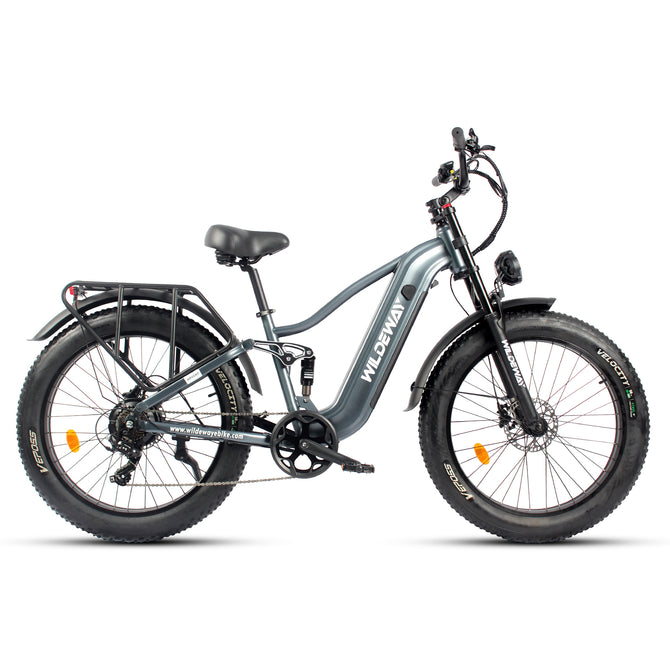
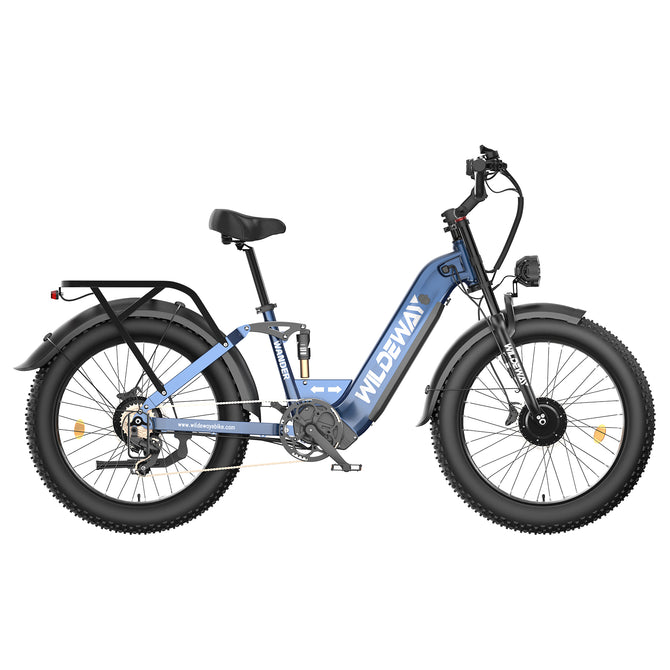
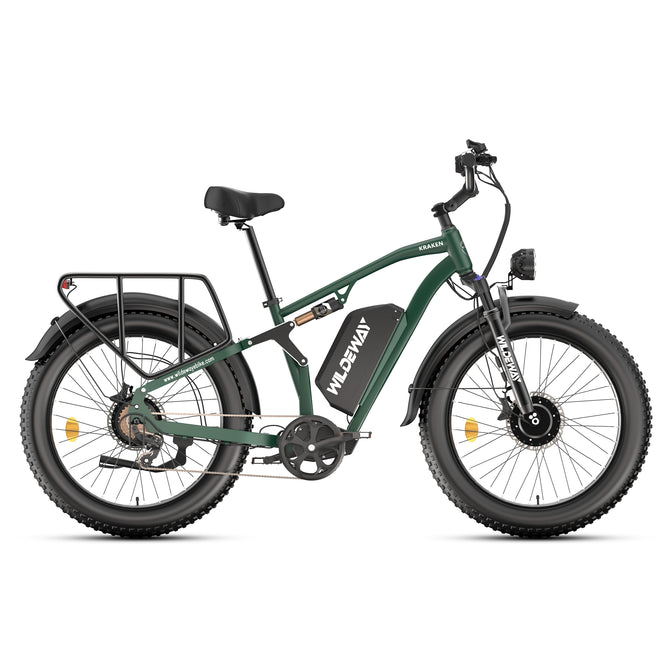
Explore the current collection of WILDEWAY folding, commuter and all-terrain e-bikes, and plan your security setup before your first ride.


