

Will a Fat-Tire E-Bike Fit in Your Garage or Shed? A Measuring Guide
Your garage can have plenty of floor space and still be awkward to use with a full-size fat-tire e-bike. The pinch point might be a side door that opens against a shelf, the turn past the rear bumper, or the space you need beside the bike to steady it. You can check each of those before buying.
Start at the spot where you’ll get off the bike. Follow the route to its parking space with the car parked, the bins in place, and the door open as far as it normally goes. Take measurements along that route, then compare them with the assembled bike in the setup you expect to use.
1. Measure the Doorway You’ll Actually Use
Open the door to the position you can reliably use every day. Measure the clear horizontal gap from the closest edge of the open door to the opposite stop or obstruction. Check at handlebar height and again near the pedals. A door handle, exposed latch, or shelving upright may narrow the opening at one height only.
Measure the usable height if you have a low shed entrance or an overhead obstruction. Also note any sill, step, grate, or uneven transition. An open garage door may provide an easy entrance on weekends, while the side door is the one you can use when the car is parked. Measure both if both matter to your routine.
On the bike side, get the width at the widest relevant points. Grips, mirrors, pedals, and fitted bags can each matter. The width printed on a fat tire tells you about the tire itself. It doesn’t tell you how much room the rest of the bike needs at the doorway.
2. Check the Turn After the Door
If the route bends as soon as you enter, measure the open area on both sides of the corner. Mark where the bike’s front wheel will start turning and where the rear wheel needs to pass. Look for anything at bar or pedal height, including shelves, a bumper, or the edge of a workbench.
Painter’s tape can show whether the route deserves a closer look. Mark the bike’s overall length and the width at the handlebar, then trace the available path past the obstacles. A floor outline is a first pass. A similar-sized bike, or an in-person trial with the actual model, gives you a better sense of the steering sweep and the space you need to walk beside it.
For example, a hypothetical 30-inch clear opening and a 28-inch handlebar leave two inches of total straight-line clearance at the grips. That figure says little about the turn immediately inside or a mirror fitted later. Measure the whole maneuver, including any backing up you’ll need to do on the way out.
3. Mark the Parking Spot With the Garage in Daily Use
Tape out the bike’s overall length and its widest part. Add the room it takes when resting on its kickstand, with the front wheel in the position you’ll use. Then stand where you’ll walk the bike in and where you’ll reach for the controls, unlock it, or remove a bag.
Close the garage door and check the clearances again. Can you open the car door? Can someone move a stroller or trash bin past the bike? Can you get to the bike without moving the car? Keep the route to building exits clear, and keep the bike away from fuel cans and other flammable materials. The U.S. Fire Administration’s lithium-ion battery guidance covers location and charging considerations for devices such as e-bikes.
| Record this | Where to measure | What can change the result |
|---|---|---|
| Clear entrance width and height | At the door in its normal open position | Handle, doorstop, closer, low frame, or shelf |
| Tightest turn | Before and after the corner | Bumper, workbench, rack, bins, or bike steering sweep |
| Floor space and side access | With the bike parked as it will be used | Kickstand lean, panniers, car-door swing, or a second bike |
| Threshold or step | At each level change on the route | Limited footing or the need to lift and steer together |
| Room for battery access | At the parked bike or approved charging location | Walls, shelves, the battery’s removal direction, or building rules |
4. Decide Whether the Bike Can Stay on the Floor
A floor spot works well when you can roll the bike in, park it securely, and take it out without lifting it. Check whether the garage floor slopes where you plan to stop. If you need to use a floor stand, check its limits and confirm that the tire width and fender clearance are compatible with the exact stand.
A wall rack can free floor space, but check its weight rating, tire or frame contact, mounting surface, and installation requirements. Use the actual weight of the bike as you would hang it, with any battery and accessories included if they’ll stay on. Consider how you’ll get the bike up and down every time. If the plan depends on a lift you can’t control, choose a level roll-in spot, change the access route, or compare a more compact model.
5. Plan Battery Access Before You Commit to the Spot
For a removable battery, check which direction it slides out, how much room your hands need, and whether the key or release is accessible while the bike is parked. A shelf beside the frame can leave enough room to park yet block the battery’s removal path. If the garage or shed gets very cold or hot, consult the bike’s instructions for permitted charging and storage conditions before using it for the battery.
Follow the manufacturer’s instructions, use the supplied or manufacturer-approved charger, and keep charging away from exit doors. If your storage area is shared, confirm the building’s parking and charging rules. The Health Canada guide to larger lithium-ion battery systems covers storage and charging precautions for e-bikes. For a closer look at the charging setup, see How to Charge an E-Bike Battery Safely.
What to Measure for the WILDEWAY Advent
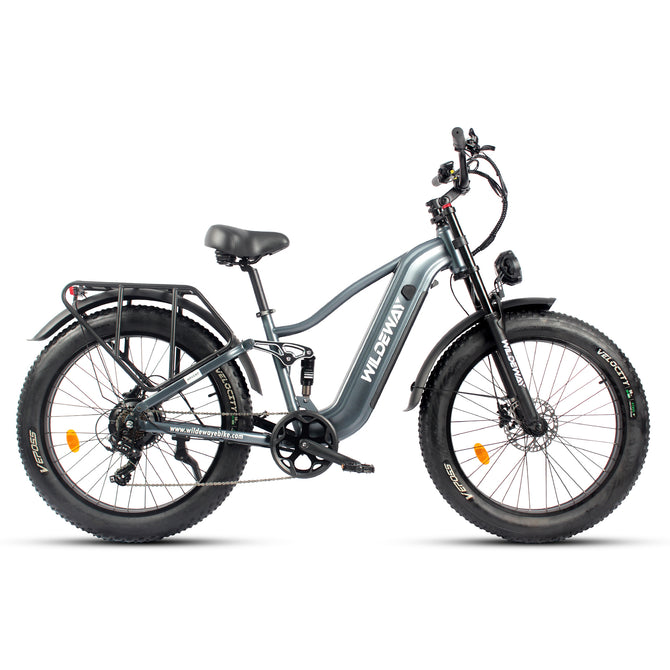
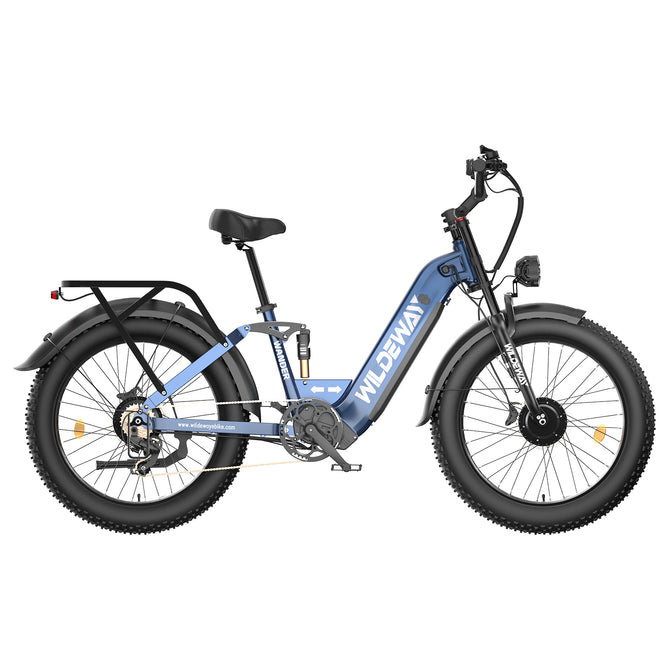
The WILDEWAY Advent is a full-suspension e-bike with 26 × 4.0-inch tires. For a doorway or tight corner, ask for the current assembled overall length, grip-to-grip width, widest point with your chosen accessories, and handlebar height in the setup you expect to use. For a narrow parking spot, also ask about the bike’s side clearance when on its kickstand. If you already own one, take those measurements directly with the bike on level ground.
If a shed entrance takes a tight turn immediately inside, try the route with the car or other bikes in their normal positions. If the space is tight enough that you’d have to take a bag off or move a bin every time, decide whether that trade-off fits how often you ride.
Frequently Asked Questions
How Much Space Should I Leave Beside My E-Bike?
Leave enough room to walk beside it, steady it, and use the kickstand. If you also remove bags or a battery from that side, try those movements during your floor-plan test. The room you need depends on the bike and its surroundings.
Can I Turn the Handlebars to Get Through a Narrow Door?
A slight turn may help in some layouts, but it changes where the front wheel goes and where the grips swing. Try the actual maneuver with the bike powered off. Allow space for mirrors, pedals, door hardware, and your hands.
Will a Four-Inch Tire Fit a Standard Bike Stand?
Check the specific stand’s supported tire-width range and where it holds the bike. A stand may also contact a fender, spoke, or rotor depending on its design. Confirm compatibility with the stand manufacturer if the fit is close.
What If I Have to Lift the Bike Over a Step?
Measure the step and the available approach on both sides. If you can’t move the assembled bike through the entrance under control, use a different entrance or rethink the parking spot. A step followed immediately by a turn is worth testing in person.
What Should I Measure First If I Haven’t Bought the Bike Yet?
Measure the narrowest opening and the tightest turn on the route you’ll actually use. Those dimensions will give you the most useful questions to take to the seller. Then measure the floor area and make sure you can reach the bike once it’s parked.
Measure the Whole Route Before You Order
Walk the route in both directions, mark the parking spot, and record the narrowest opening and tightest turn. If the dimensions are close, an in-person fit test can tell you whether the routine works with your car, accessories, and everyday garage setup. If the Advent is on your shortlist, review the WILDEWAY Advent and confirm the assembled measurements for the version you plan to buy.


