

E-Bike Classes 1, 2, and 3 Explained: How to Ride Legally on Streets and Trails in 2026
Electric bikes have transformed how we commute, exercise, and explore the outdoors. But as millions of riders hit the road across North America, local governments and park rangers have established strict regulations to keep streets and multi-use paths safe.
If you’re shopping for your first e-bike—or already own one—you’ve likely encountered confusing legal terms: Class 1, Class 2, Class 3, throttle limits, 750W power caps, and park restrictions.
Do you need a driver's license to ride an e-bike? Are throttles allowed on greenway bike trails? How fast can you legally go on city streets?
In this comprehensive 2026 guide, we’ll demystify North American e-bike laws, break down the 3-tier classification system, and show you how Wildeway e-bikes are engineered to keep you 100% street-legal without sacrificing performance.
Why E-Bike Classification Matters Before You Buy
In the United States and Canada, electric bikes are regulated differently than gasoline-powered mopeds or motorcycles. Over 40 US states and most Canadian provinces have adopted the 3-Class E-Bike Frame System.
Understanding these classes before purchasing is critical because:
-
Access Control: Certain bike paths, mountain trails, and state parks restrict specific e-bike classes.
-
Fines & Enforcement: Exceeding local speed limits or using illegal motor power on public trails can result in hefty traffic citations.
-
Safety & Peace of Mind: Knowing your bike meets federal safety standards (like UL 2849) ensures worry-free riding anywhere you go.
Breaking Down the 3 E-Bike Classes in North America
The three-tier system categorizes e-bikes based on two factors: how power is delivered (Pedal Assist vs. Throttle) and maximum assisted speed.
┌──────────────────────────────────────────────────────────────────────────────┐
│                    NORTH AMERICAN 3-TIER E-BIKE CLASSIFICATION               │
├──────────┬────────────────────────────┬──────────────┬───────────────────────┤
│ Class    │ Motor Activation           │ Max Speed    │ Trail & Road Access   │
├──────────┼────────────────────────────┼──────────────┼───────────────────────┤
│ Class 1  │ Pedal Assist Only (PAS)    │ 20 MPH       │ Roads, Bike Lanes,    │
│          │ (No Throttle)              │ (32 km/h)    │ Multi-Use Paved Trails│
├──────────┼────────────────────────────┼──────────────┼───────────────────────┤
│ Class 2  │ Pedal Assist + Throttle    │ 20 MPH       │ Roads, Bike Lanes,    │
│          │ (Twist or Thumb Throttle)  │ (32 km/h)    │ Most Commuter Paths   │
├──────────┼────────────────────────────┼──────────────┼───────────────────────┤
│ Class 3  │ Pedal Assist               │ 28 MPH       │ City Streets, Road    │
│          │ (Optional Throttle to 20)  │ (45 km/h)    │ Bike Lanes (No Paths) │
└──────────┴────────────────────────────┴──────────────┴───────────────────────┘
1. Class 1 E-Bikes (Pedal Assist Up to 20 MPH)
-
How It Works: The motor only provides power when you actively pedal. There is no throttle handle. Once you reach 20 MPH, the motor motor assistance automatically cuts off.
-
Best For: Traditional cyclists, state park natural trails, and riders who want a pure pedaling workout.
-
Trail Access: Class 1 e-bikes enjoy the broadest access, including most multi-use paved paths, mountain bike trails, and national parks.
2. Class 2 E-Bikes (Throttle & Pedal Assist Up to 20 MPH)
-
How It Works: Features both pedal assist AND a throttle (twist-grip or thumb throttle). You can cruise effortlessly without pedaling at all up to 20 MPH.
-
Best For: Daily urban commuters, riders recovering from knee injuries, cargo haulers, and stop-and-go city traffic.
-
Trail Access: Legal on city streets, dedicated bike lanes, and paved commuter greenways. (Note: Some narrow dirt trails reserve access for non-throttle bikes).
3. Class 3 E-Bikes (Speed Pedelec Up to 28 MPH)
-
How It Works: Provides pedal assistance up to 28 MPH. Many Class 3 bikes also include a throttle that operates up to 20 MPH while allowing pedal assist to reach 28 MPH.
-
Best For: Fast-paced highway commuters, suburban riders replacing car trips, and long-distance travelers.
-
Requirements: Due to higher speeds, some states require riders to be at least 16 years old and wear an approved bicycle helmet.
Do You Need a Driver's License, Registration, or Insurance?
One of the greatest advantages of owning an e-bike is freedom from bureaucratic hassle.
┌────────────────────────────────────────────────────────────────────────┐
│                   E-BIKE LEGAL REQUIREMENTS CHECKLIST                  │
├────────────────────────────────────────────────────────────────────────┤
│ ❓ Driver's License Required?   ❌ NO (In almost all US states/Canada) │
│ ❓ Vehicle Registration/Plate? ❌ NO (Treated as standard bicycles)   │
│ ❓ Mandatory Auto Insurance?  ❌ NO (Saves thousands per year!)       │
│ ❓ Helmet Required?            ✅ Varies by state/age (Always advised) │
└────────────────────────────────────────────────────────────────────────┘
As long as your electric bicycle has operable pedals, a motor rated at 750W or under (nominal), and respects speed cut-offs (20 MPH or 28 MPH), federal law (15 U.S.C. § 2085) classifies it as a Consumer Product / Bicycle, not a motor vehicle!
Where Can You Legally Ride Your E-Bike?
Navigating where to ride depends on local municipal ordinances and trail management:
-
City Streets & Bike Lanes: All Class 1, Class 2, and Class 3 e-bikes are generally allowed in road bike lanes and public streets.
-
Paved Multi-Use Commuter Paths: Class 1 and Class 2 e-bikes are almost universally permitted. Class 3 bikes may be restricted due to higher speeds.
-
Off-Road Dirt & MTB Trails: Class 1 e-bikes are widely accepted on singletrack trails. Always check local BLM (Bureau of Land Management) or State Forest guidelines before heading off-road.
How Wildeway E-Bikes Keep You Street Legal & Compliant
At Wildeway, we believe riders should never have to choose between exhilarating motor power and strict legal compliance.
         [ Wildeway Smart Compliance Features ]

   ┌────────────────────────────────────────────────────────┐
   │ 🟢 Programmable LCD Speed Limiter (Switch Class 2/3)   │
   │ 🟢 750W Nominal Power Certified Motors                 │
   │ 🟢 UL Certified Battery Systems (Fire & Water Safety)  │
   │ 🟢 Integrated Safety Lights & Electric Horn            │
   └────────────────────────────────────────────────────────┘
1. Dual Class Versatility (Programmable LCD Display)
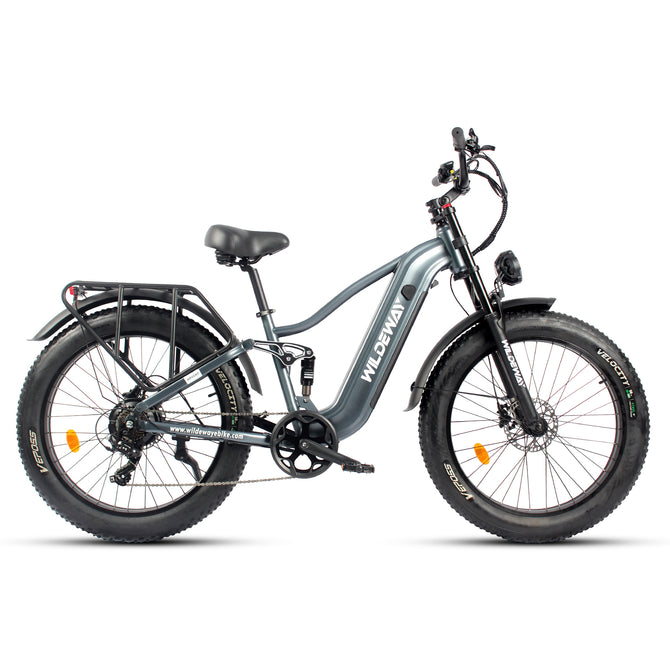
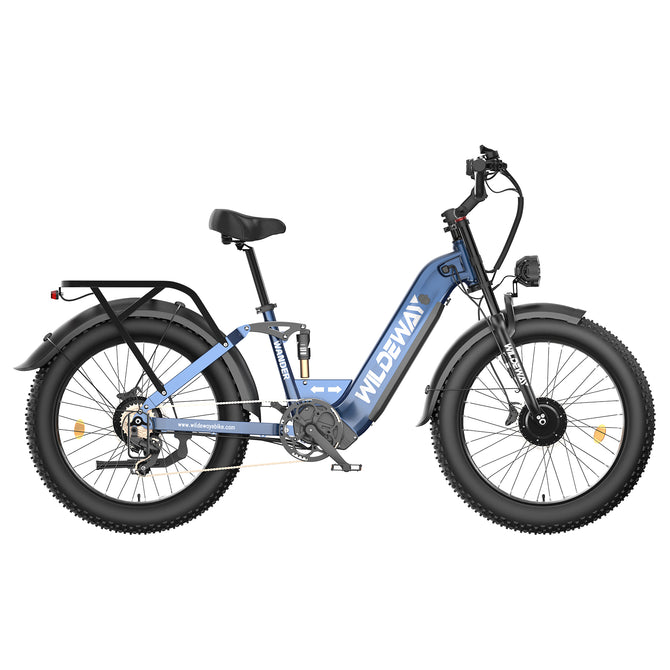
All Wildeway models—including the FW11S 3.0, SummitX, and Wander Max—come factory-set as Class 2 legal (20 MPH max speed with throttle).
Need extra speed for highway commuting? Riders can easily unlock Class 3 mode (up to 28 MPH pedal assist) directly through the smart LCD display settings where state laws permit.
2. 750W Nominal Power Cap Compliance
Federal law caps street-legal e-bike motors at 750 Watts nominal continuous power. Wildeway e-bikes utilize advanced controllers that deliver 750W nominal street-legal cruising, while unlocking higher peak torque (up to 2000W+ on dual-motor AWD models) for private land off-roading and steep inclines.
3. Safety Certifications (UL Safety Standards)
Every Wildeway e-bike is equipped with UL-certified battery packs and intelligent BMS controllers, ensuring your ride passes stringent North American electrical safety and thermal protection tests.
Top Wildeway Street-Legal Models for 2026
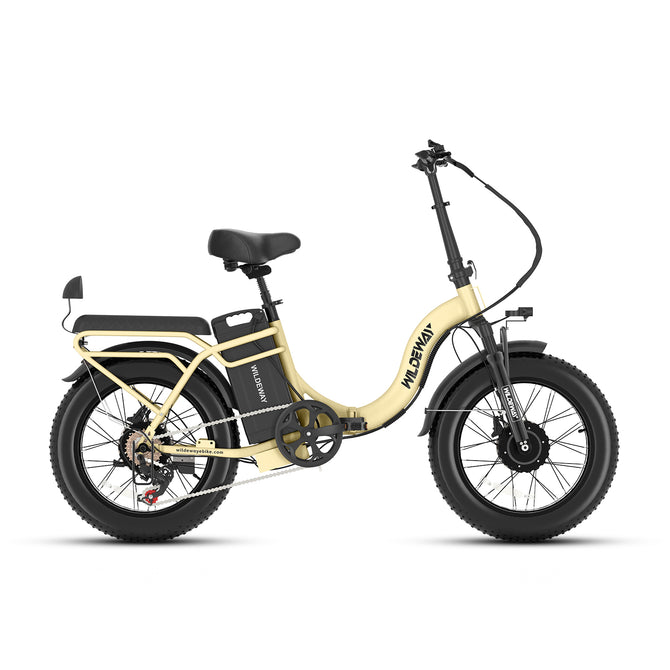
1. Wildeway FW11S 3.0 Step-Thru
-
The Ultimate Class 2 Legal City & Passenger Commuter
       [ FW11S 3.0 Compliance Specs ]
  • Classification: Class 2 Standard (Upgradeable to Class 3)
  • Motor: 750W Nominal Rear Hub Motor
  • Max Speed: 20 MPH (Throttle) / 28 MPH (Unlocked PAS)
  • Special Features: Low Step-Thru frame, Passenger Rear Seat, 32Ah/60Ah Dual Battery options
  • Best For: Urban commuting, running errands, riding with passengers legally
👉 [Explore Wildeway FW11S 3.0 Details]
2. Wildeway SummitX AWD Fat Tire
-
All-Weather Street Legal Conqueror
       [ SummitX Compliance Specs ]
  • Classification: Class 2 / Class 3 Convertible
  • Motor System: Dual Motor All-Wheel Drive (AWD Traction)
  • Tires: 20" x 4.0" All-Terrain Puncture-Resistant Fat Tires
  • Brakes: Hydraulic Disc Brakes with Automatic Motor Cut-Off
  • Best For: Snow, gravel roads, steep hills, and versatile 4-season commuting
👉 [Discover Wildeway SummitX AWD Models]
Quick Rule Checklist Before You Ride
Before clicking "Add to Cart" or taking your e-bike out for a spin, keep this quick 4-step safety checklist in mind:
-
✅ Check Local Trail Signs: Look for trail entrance signage indicating whether Class 2 throttles are permitted on unpaved paths.
-
✅ Wear a Helmet: While adult helmet laws vary by state, wearing an NTA 8776 e-bike certified helmet is strongly recommended for speeds above 20 MPH.
-
✅ Use Headlights at Night: Ensure your e-bike has integrated front and rear LED lights active after sunset.
-
✅ Keep Pedals Attached: Never remove the mechanical pedals—doing so legally transforms your e-bike into an unregistered moped!
Final Thoughts: Ride Free, Ride Compliant
Understanding e-bike laws doesn't have to be overwhelming. By choosing a versatile, high-performance model like a Wildeway e-bike, you get the peace of mind of 100% street-legal compliance alongside the thrill of long-range dual-battery power.
Got questions about specific e-bike regulations in your state or province? Contact our support team or explore our legal guide resources!


